



Building a Cash Reserve Account

Portrait of a bald man with glasses and a black zip-up jacket against a gray background
Flavio Medeiros • August 14, 2026

Share this article

Building a Strong Cash Reserve Account

Emergency borrowing always comes at a high cost. Credit cards can charge interest rates north of 20%. Early 401(k) withdrawals carry a 10% penalty — plus income taxes. Having a dedicated cash reserve is the simplest way to protect yourself from falling into expensive debt when life throws you a curveball.


The good news? Building a solid cash reserve can be faster (and easier) than you think.

How Much Should You Save?

The traditional rule of thumb is to aim for three to six months of take-home pay.

Another smart method is to total your essential expenses for the year (housing, food, insurance, transportation) and divide by four for a three-month goal.


Saving based on take-home pay, however, provides an even bigger cushion. It ensures you can continue your current lifestyle without scrambling to cut expenses during a crisis — and gives you some breathing room for surprises you might not have planned for.

Why You Should Keep It Separate

It’s tempting to “earmark” part of your regular savings or checking account as your emergency fund.

But it’s far better to open a dedicated high-yield savings account or money market fund — something separate from your daily spending.


Not only will you earn more interest (helping you reach your goal faster), but separating the funds reduces the temptation to dip into them. Look for an account that’s not tied to checks or a debit card to keep things growing quietly in the background.

Getting Started: Set It and Forget It

The easiest way to build your reserve is with automatic recurring deposits. Set a realistic, slightly aggressive contribution that comes directly from your paycheck.


Tip: Start with a number you’re comfortable with — and then increase it by 10%.


This way, you set the momentum early without constantly needing to adjust your deposit amount month after month.


If you find yourself too tight on cash after a few months, it’s fine to dial it back slightly. But most people discover that limiting their available spending cash naturally leads to better financial habits without much sacrifice.

How to Accelerate Your Savings

Unexpected windfalls like tax refunds, bonuses, or cash gifts are perfect opportunities.

Celebrate by using up to 10% for apersonal splurge — then commit the rest directly to your cash reserve.


With a few smart moves like this, you’ll be surprised how quickly your safety net grows.


Final Thoughts


Whether you call it an emergency fund, rainy day fund, or cash reserve, having a financial buffer is one of the smartest money moves you can make.


It protects you from expensive debt, keeps your retirement plans on track, and ensures you can recover from life’s setbacks with minimal disruption.


Want an even better way to grow your cash reserve?

At Coast Wealth, we offer access to a cash reserve account currently yielding over 4% (subject to change). It’s a smart, secure way to make your money work harder for you while keeping it accessible for when you need it most.

Ready to Review Your Retirement Plan?

Our fiduciary advisors work with pre-retirees and retirees nationwide. No cost, no obligation — just a real conversation about your future.

Recent Posts

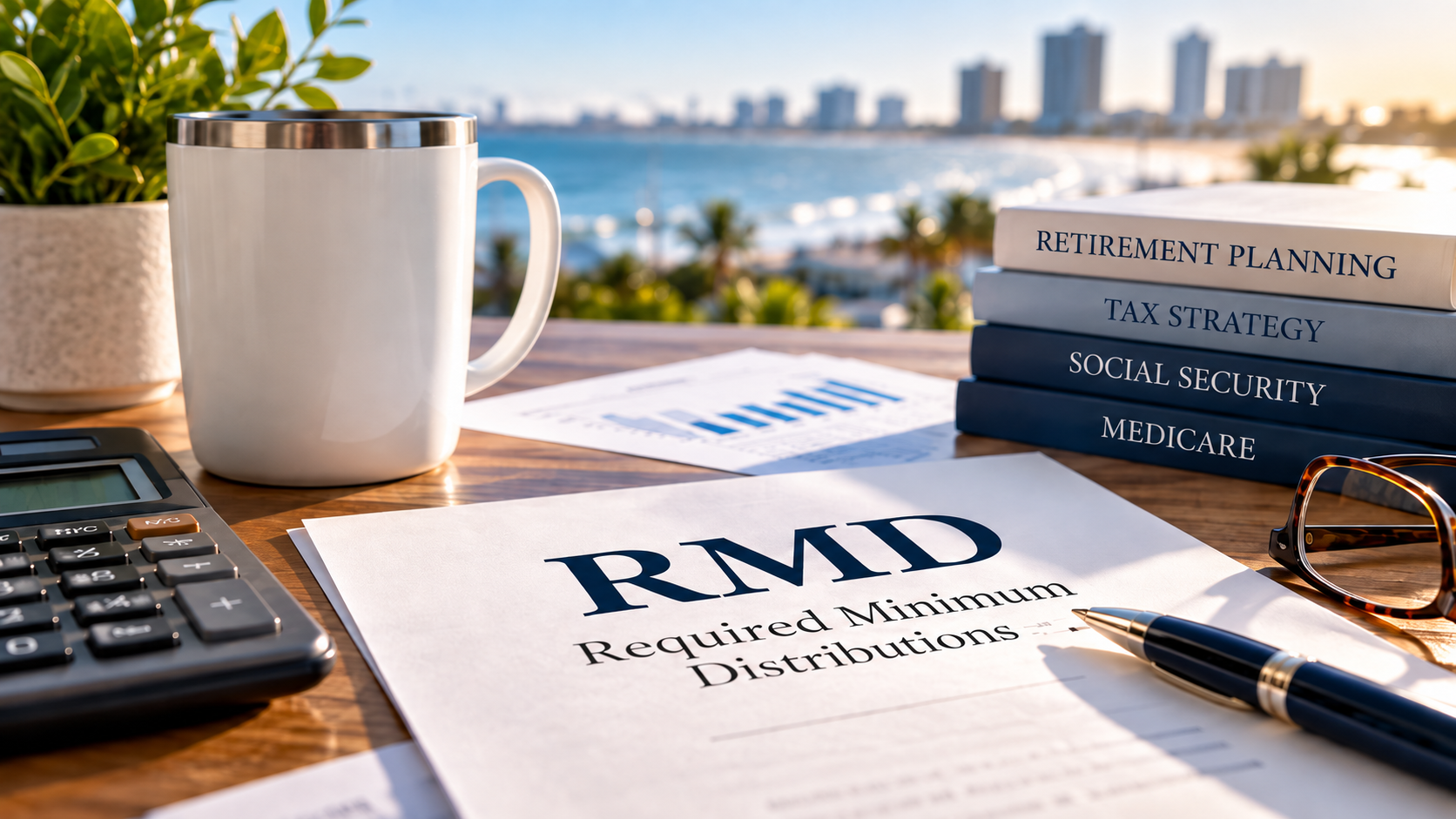
RMD tax planning for retirees reviewing retirement income documents
September 27, 2026
Learn how required minimum distributions can affect retirement taxes and explore planning ideas that coordinate your income, investments and tax strategy.

Sailboat with white sails gliding on calm water near a rocky breakwater at dusk
August 14, 2026
Explore financial planning ideas for navigating market volatility in Myrtle Beach, with a focus on investment decisions and keeping retirement goals in view.

Stacked black stones balanced in a tranquil stream with a blurred green background
By Flavio Medeiros • August 14, 2026
Review 2025 retirement savings contribution limits for 401(k)s and IRAs, and explore how contribution decisions fit into your retirement savings plan.